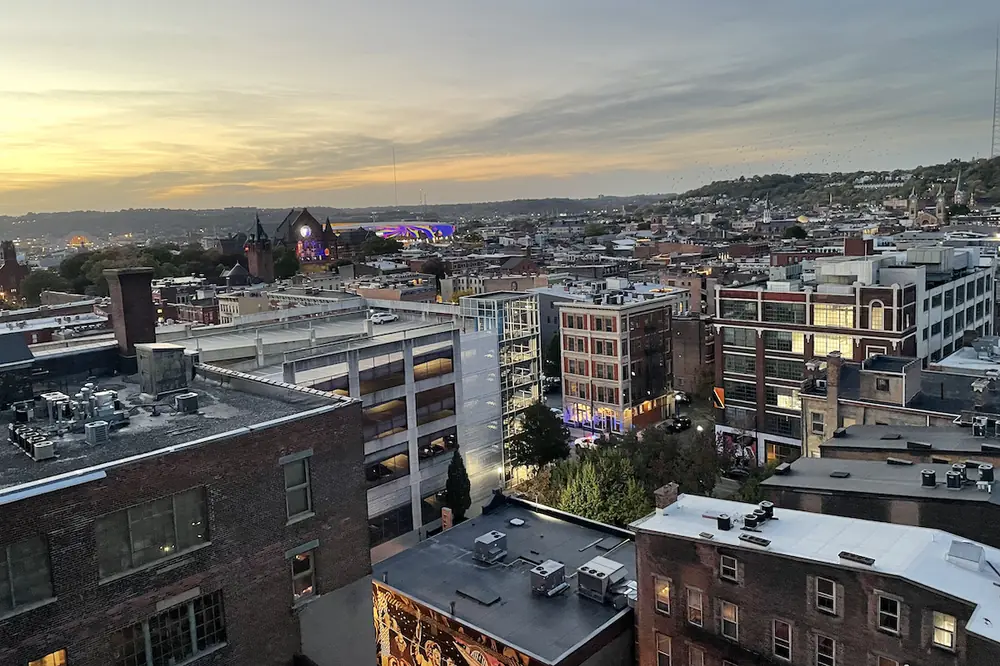

Across the Midwest, heavy civil contractors are working in a tighter operating environment than they were five years ago.
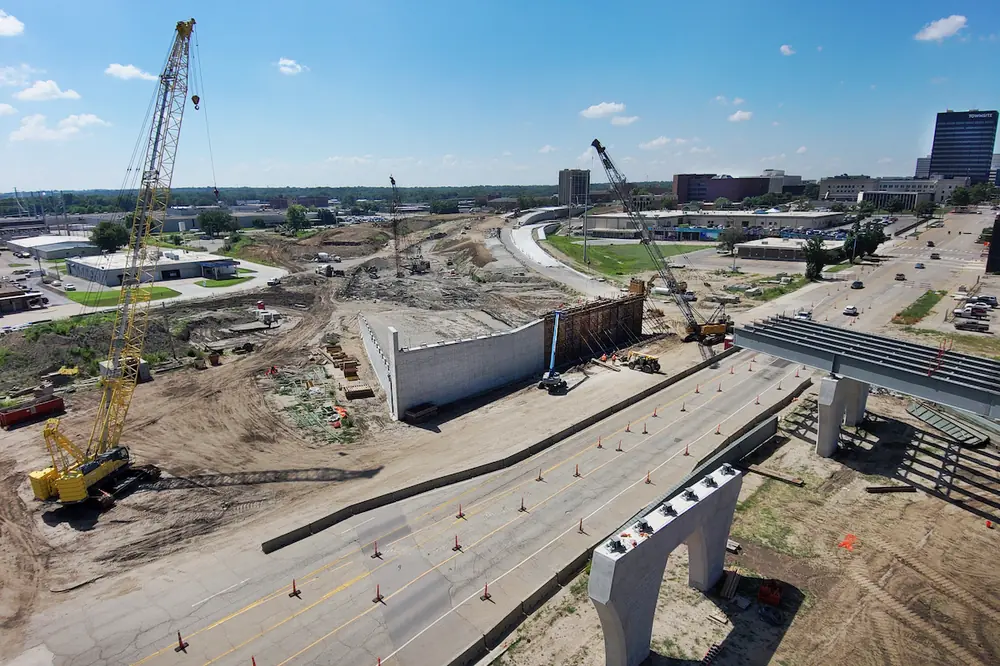
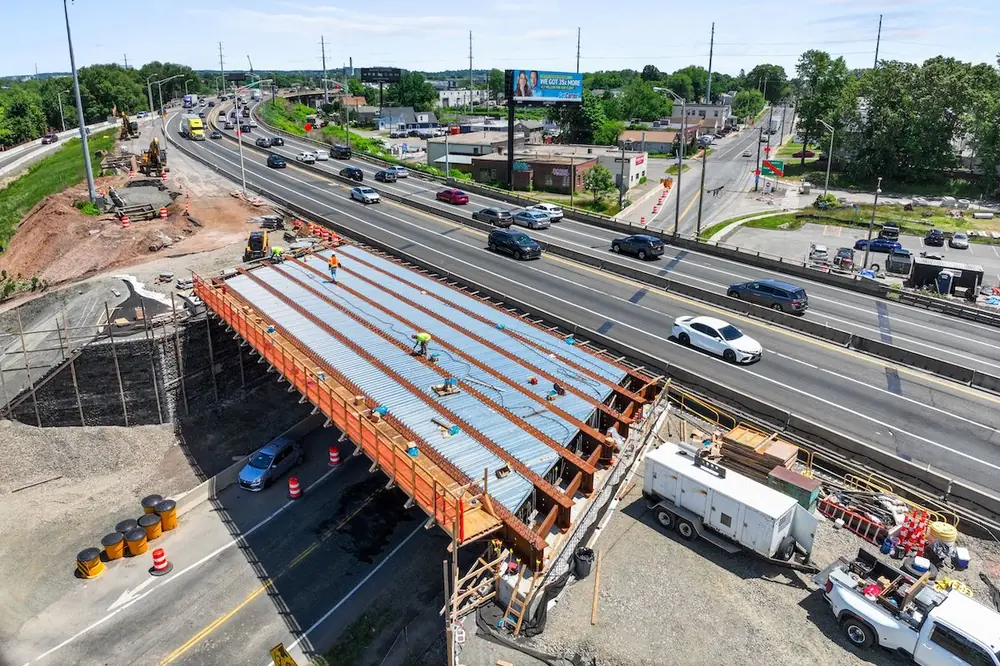
Backlog is strong. Department of transportation (DOT) work, bridge replacements, utility upgrades, and site development tied to manufacturing and logistics are moving across Illinois, Indiana, Kentucky, eastern Missouri, and Ohio.
But the job around the job has changed. Crews are harder to staff. Schedules are tighter. Permitting and public review take longer. Owners are asking more questions before award. And local conditions can either keep a project moving or slow it down before it breaks ground.
There is also another factor in play that doesn’t show up on bid sheets. Workforce pipelines and community conditions are increasingly shaped by philanthropic and community investment. That affects who shows up to work, how quickly projects get approved, and how stable execution is once work starts.
For contractors, that influence is no longer outside the business. It’s part of it.

| Your local Bobcat dealer |
|---|
| Ditch Witch West |
Ask any project manager or superintendent what keeps jobs moving right now, and the answer is the same: people.
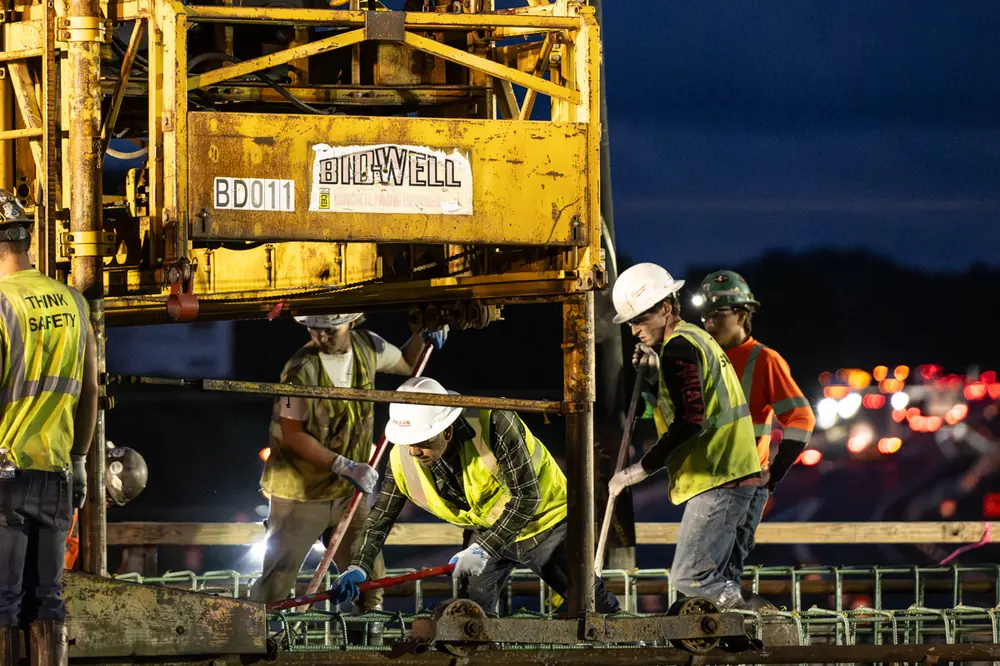
The skilled trades shortage is no longer a talking point. It’s showing up in delayed mobilizations, stretched crews, longer training curves, and tighter competition for experienced operators, foremen, and project managers.
Across the Midwest, firms are leaning harder on:
- Apprenticeship programs
- Union halls
- Trade schools
- In-house training
- Workforce readiness programs

| Your local Trimble Construction Division dealer |
|---|
| SITECH Rocky Mountain |
| SITECH Southwest |
| SITECH Northwest |
That’s the work it takes to keep crews staffed, but those pipelines aren’t self-sustaining. Many of them are supported by outside funding. Foundation-backed workforce initiatives, corporate giving that expands access to the trades, and nonprofit partners that run pre-apprenticeship and entry programs are all feeding the same labor pool contractors draw from.
That matters on the ground. More access points into the trades mean more entry-level workers. More entry-level workers mean more trainable hands. Over time, that builds the bench contractors need to keep projects staffed.
The firms paying attention to this aren’t treating workforce development as public relations. They’re treating it like a supply chain. Because right now, labor is the supply chain.
Before the first piece of equipment hits a job, most major projects have already gone through months of public process: hearings, reviews, stakeholder meetings, permitting. When those go sideways, schedules slip before the job even starts.

| Your local Gomaco dealer |
|---|
| Gomaco -Contact For a Dealer Near You |
Contractors across the region have seen:
- Projects delayed over local concerns
- Added conditions tied to approvals
- Increased scrutiny from agencies and communities
Where community alignment is weak, friction shows up early and carries through the job. Where community alignment is stronger, projects move cleaner. That alignment doesn’t come from showing up once the project is awarded. It’s built over time.
Firms that are already investing in locally supported workforce programs, working with technical schools, and backing community-based organizations tend to walk into projects with more credibility and less resistance. A lot of that work is supported by philanthropic partners that fund workforce access and community programs.
| Your local Bobcat dealer |
|---|
| Ditch Witch West |
For contractors, the takeaway is straightforward. Community engagement isn’t just communication. It’s investment. And that investment can reduce entitlement risk and keep projects moving.
Low bid still wins work, but it’s not the only thing being evaluated anymore. Owners — especially public agencies — are looking harder at execution risk. They want to know:
- Can this contractor staff the job for its full duration?
- Do they have access to local labor?
- Can they manage community expectations?
- Will the job stay on schedule without disruption?
Those questions are showing up earlier in procurement. Contractors that can point to stable workforce pipelines and strong local relationships have an edge.
| Your local Bobcat dealer |
|---|
| Ditch Witch West |
In many cases, those pipelines are supported by partnerships with workforce programs, training initiatives, and organizations funded by philanthropic capital. That’s not theoretical. It shows up in staffing plans, schedule confidence, and the ability to actually deliver what’s in the bid.
Community investment, in this context, isn’t separate from the work. It’s part of how you win it.
The role of the contractor is expanding — not in title, but in function. The firms that are holding steady right now are doing more than building. They’re helping support the workforce that builds. That looks like:
- Working with apprenticeship programs
- Partnering with trade schools
- Supporting workforce readiness efforts
- Coordinating with local labor networks
- Staying engaged in the communities where they operate
| Your local Bobcat dealer |
|---|
| Ditch Witch West |
Some of that is direct investment. Some of it is partnership with programs funded by foundations and community institutions. Together, it builds a more reliable labor pool.
Stephen Hightower, Founder and CEO of Hightowers Petroleum in Ohio, provides a clear example of how this plays out in practice. After tornadoes hit the Dayton area, his team worked with Kroger to get supplies to affected communities.
That kind of response isn’t improvised. It comes from having resources in place, relationships already built, and the ability to move quickly through local networks.
Those same factors matter on a job site. When issues come up — and they always do — the firms that can mobilize, coordinate, and work through local relationships are the ones that keep the job moving.
| Your local Bobcat dealer |
|---|
| Ditch Witch West |
That capability is built over time. And increasingly, it’s supported by consistent investment, not one-off effort.
Across Illinois, Indiana, Kentucky, eastern Missouri, and Ohio, the same pattern is showing up. Work is there, labor is tight, and the difference between smooth execution and disruption often comes down to workforce access.
That access is being shaped, in part, by regional philanthropic institutions that support workforce and community programs feeding into the trades.
Organizations like The Chicago Community Trust are investing in workforce access across the Chicago region of Illinois. The Central Indiana Community Foundation is supporting programs that increase local labor participation. In Kentucky, the James Graham Brown Foundation continues to invest in education and workforce readiness that feed into skilled trades.
| Your local Bobcat dealer |
|---|
| Ditch Witch West |
In Missouri and Ohio, similar work is happening through the Missouri Foundation for Health and the Cleveland Foundation, where investments in community stability and economic opportunity are influencing workforce participation.
For contractors, this isn’t background noise. It’s part of the labor equation.
Construction will always come down to execution. Did the job get built? Was it on schedule? Did it stay within budget? That hasn’t changed. What has changed is what it takes to make that happen.
Philanthropic and community investment are increasingly functioning as part of a contractor’s workforce and operational strategy, not separate from it. Labor pipelines, community alignment, and regional relationships are now directly tied to whether jobs move or stall.
| Your local Bobcat dealer |
|---|
| Ditch Witch West |
The firms adapting to this are thinking beyond the project. They’re investing earlier in workforce access, staying engaged in the regions where they build, and building relationships that hold when the job gets tight.
They do this not because it looks good, but because it keeps crews staffed, schedules intact, and projects moving. And in this market, that’s the difference.
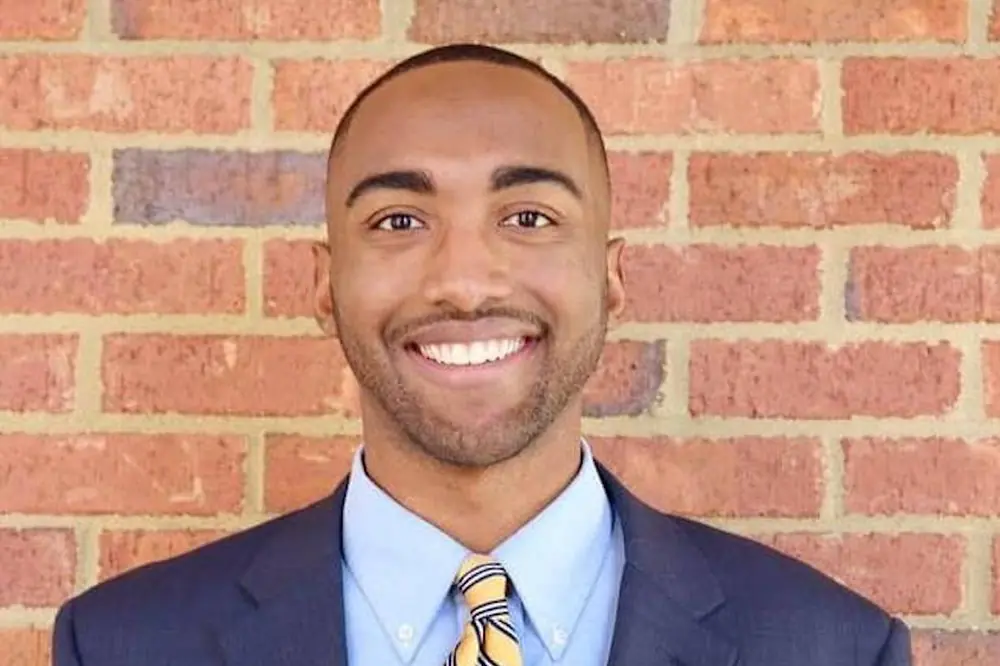
Andre Dowell is the Founder and President of the National Philanthropic Foundation, a national organization focused on preserving philanthropic legacy, advancing next generation philanthropic leadership, and strengthening civic understanding.