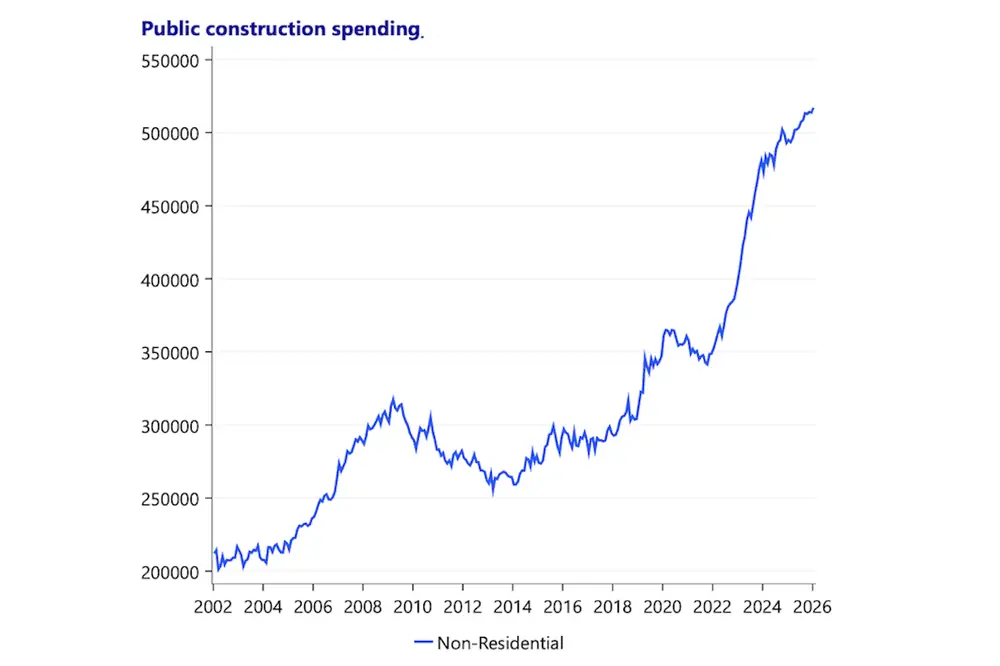

If you’re running a construction business today, the workforce shortage is not an abstract issue. Demand for infrastructure continues to accelerate, while the industry faces a labor gap that cannot be solved by hiring alone.
The challenge is real, and so is the opportunity to redefine how the workforce is built, trained, and empowered.
With roughly one in five construction workers now over the age of 55, according to federal and industry sources, the industry faces a significant loss of institutional knowledge in the years ahead. At the same time, firms report that candidates lack the necessary skills, certifications, or licenses to step into open roles.
A changing industry calls for a new approach to developing individual talent. As job sites become more digital and data-driven, training has become a strategic investment for contractors focused on long-term performance.
The industry’s leading workforce development programs combine hands-on experience with advanced tools, creating environments that mirror real-world conditions. Carpenters are learning augmented reality alongside traditional layout. Equipment operators are building GPS-guided machine control skills as part of their everyday responsibilities. Digital fluency is becoming essential across every role.
When training is tied to real tasks, people learn faster and apply those skills immediately. Clear pathways for advancement reinforce these efforts. Workers understand how technology skills translate into long-term career growth, which strengthens engagement and retention. Those improvements translate directly into stronger project outcomes.
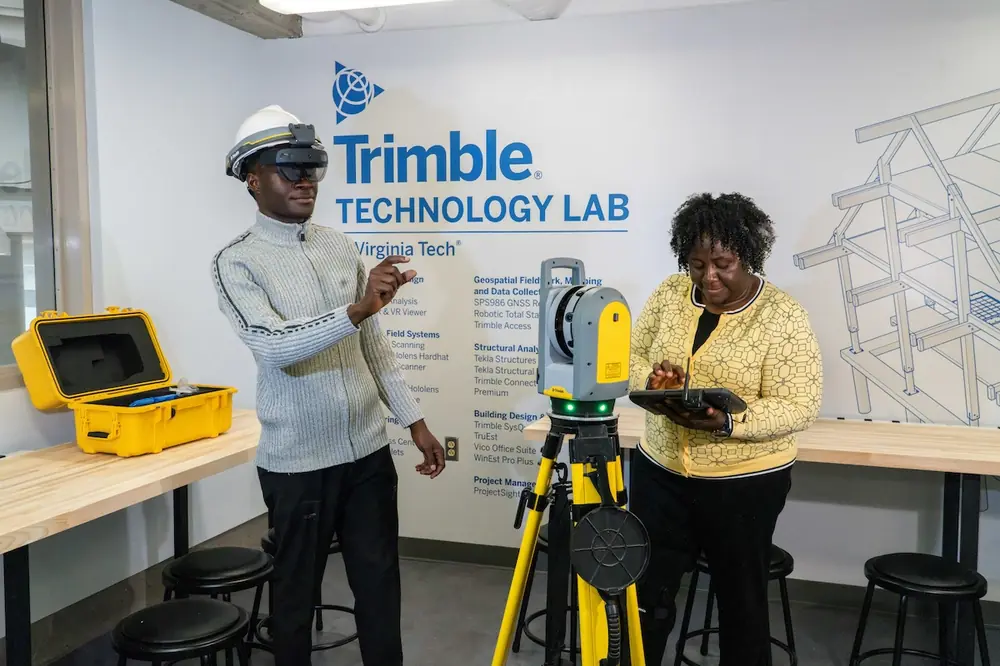
Building a technology-literate workforce requires collaboration across the industry, equipment manufacturers, and educational institutions. Trimble Technology Labs offer one example of how this approach can scale and deliver measurable impact.
The first lab launched at the University of Massachusetts Amherst in 2015. Today, more than 30 labs across 14 countries are reaching approximately 12,000 students. Participants gain hands-on experience with advanced equipment and connected workflows that reflect modern job sites. Early exposure builds confidence and fluency, allowing graduates to transition directly into the workforce and contribute from day one.
University partnerships strengthen these outcomes. For instance, at Fresno State University in California, home to the nation’s first four-year accredited geomatics engineering program, collaboration between industry partners and Trimble has introduced advanced geospatial equipment aligned with California’s leading technology standards. This allows students to gain practical experience that prepares them for high-demand roles in surveying and geospatial fields. With enrollment approaching 90 students and plans for continued growth, the program is becoming a critical talent pipeline for employers.
A stronger workforce for the future depends on expanding where talent comes from, and that includes engaging students earlier in their education.
Exposure to modern tools and workflows reveals the technical depth of today’s job sites and reshapes perceptions of the industry. Students see construction as a field that blends technology, problem solving, and tangible impact. That perspective attracts individuals who bring new ideas and adaptability to complex projects. Veterans, career switchers, and underrepresented groups are also becoming an essential part of a more diverse and resilient workforce.
As these efforts gain momentum, the industry is building a workforce defined by versatility. Success increasingly depends on the ability to navigate both physical environments and digital systems with confidence.
A more capable workforce unlocks the full potential of modern construction technology.
Contractors are now using connected, cloud-based ecosystems to link every stage of the construction process, from prequalification and planning through execution in the field. The intersection of digital models and physical execution has become a powerful source of value creation. Decisions happen earlier, adjustments occur faster, and work advances with greater precision.
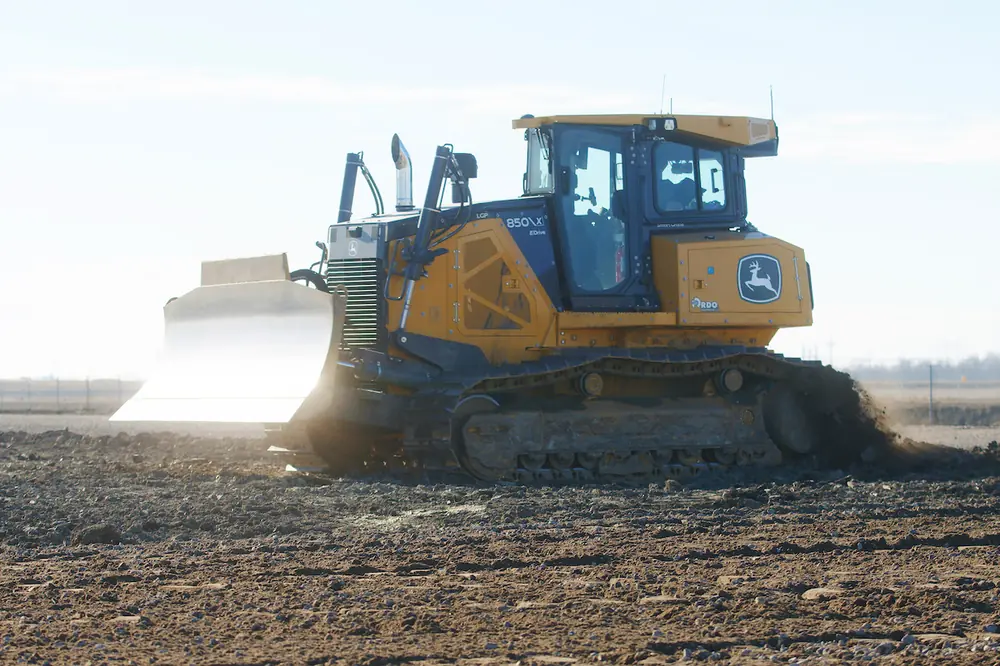
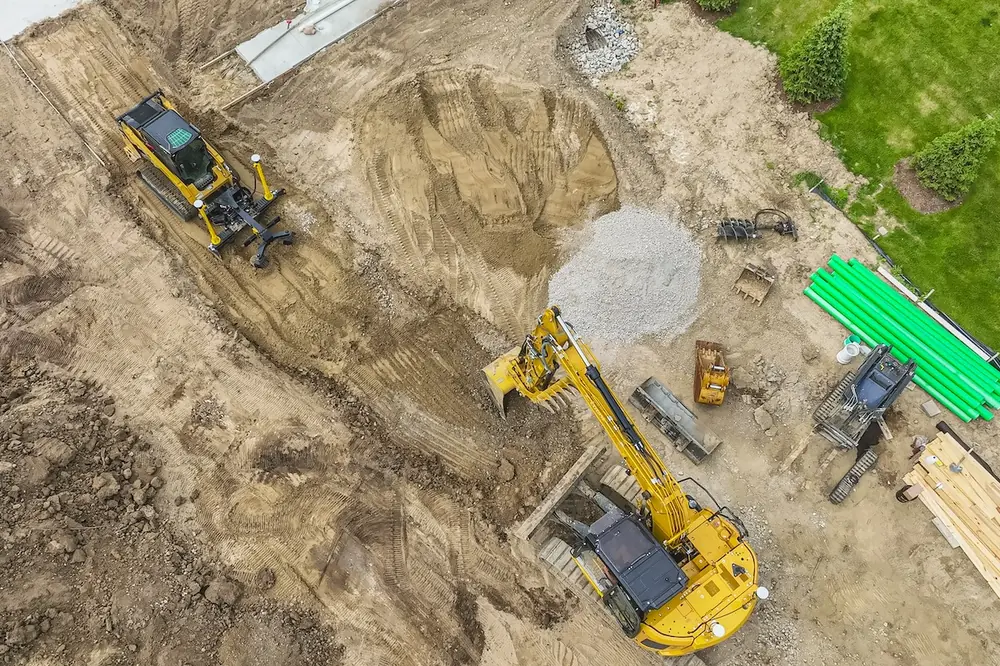
Machine control is another important part of the construction ecosystem. Machine control technology can significantly lower the barrier to entry and shorten the learning curve for inexperienced applicants interested in becoming equipment operators. Contractors using model-based layout and machine control are also significantly reducing production time compared to traditional methods.
Artificial intelligence (AI) accelerates these capabilities. AI processes data at scale, automates repetitive tasks, and delivers insights that guide faster, more informed decisions. Through the use of AI, contractors can take on more work, increase throughput, and improve margins without proportional increases in labor.
As workforce development and technology adoption advance together, a more integrated model of construction is emerging. Data flows seamlessly from early planning through execution and into future projects, creating a cycle of continuous improvement.
Connected systems provide visibility across the entire lifecycle, allowing teams to learn, adapt, and refine their approach with every project. Performance improves not only within individual jobs, but across entire portfolios.
Progress across the industry reflects a shared commitment to innovation and improvement. Contractors are investing in tools, processes, and people in ways that transform workflows.
Construction has always been about building what comes next. Today, that responsibility extends beyond projects to the foundation of the industry itself. The workforce challenge should be regarded as a catalyst to rethink how talent is developed, how technology is applied, and how opportunity is defined.
The companies that will lead are those that act now by investing in people as deliberately as they invest in equipment, embedding digital capabilities into every role and expanding access to desirable careers to raise the standard for what construction can be.
By aligning workforce development with innovation, the industry can move faster, build smarter, and deliver at a scale that meets the demands ahead. The future of construction will be shaped by those who build a workforce ready to lead through change.
Ronald Bisio is Group President, Field Systems, at Trimble Inc.