

The gender pay gap stays in the headlines because it’s a problem that corporate America has consistently failed to address. Decades of data show women earning less than men for similar work, with the gap widening further for women of color. Policies, mandates, and corporate initiatives have tried to close it, yet progress remains frustratingly slow.
However, what most of that conversation has neglected to include is the fact that there’s an entire sector of the economy where pay equity isn’t an aspiration; it’s already the reality. Unlike the broader gender wage gap of 16.3 percent reported by the U.S. Bureau of Labor Statistics, the skilled trade gender wage gap is three times smaller at just 5.3 percent.
In the skilled trades, women earn almost dollar-for-dollar what men do — not because of diversity programs or interventions by human resources, but because bias has nowhere to hide.
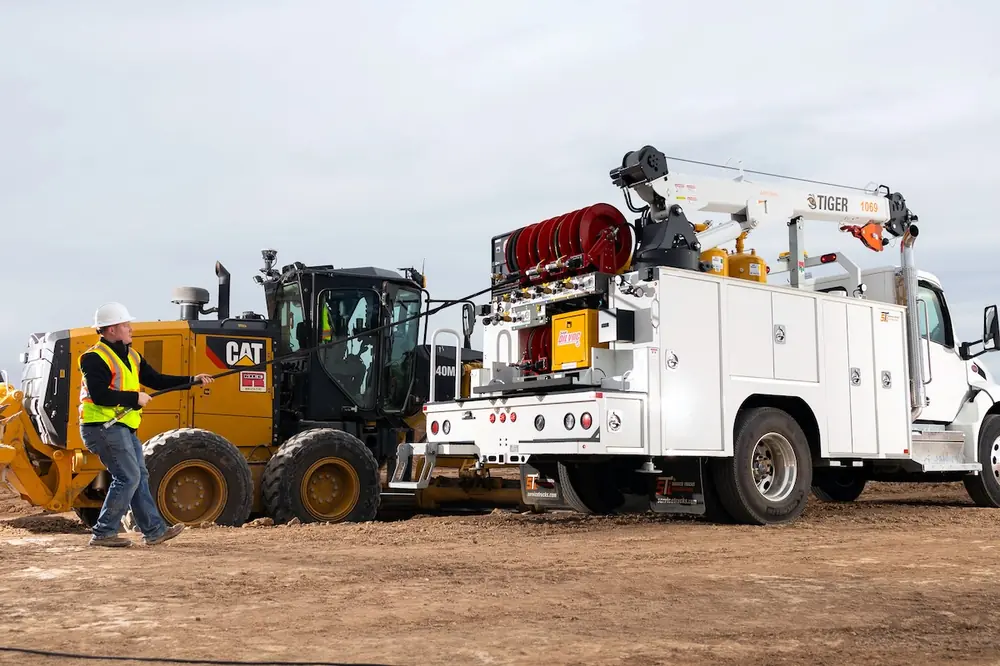
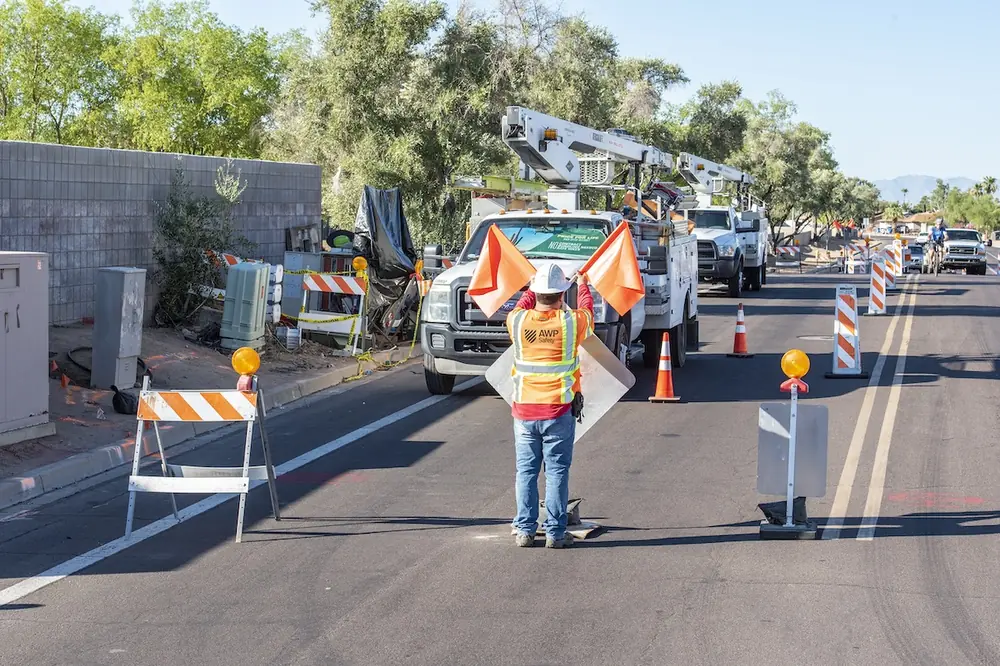
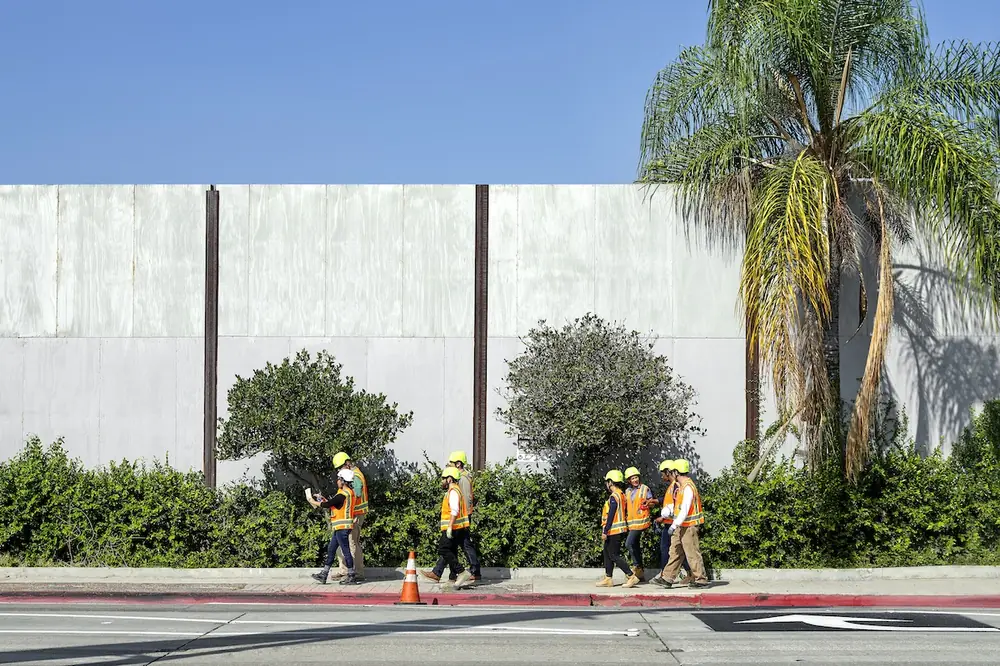
The skilled trades operate differently from knowledge work. Physical work has tighter feedback loops and clearer productivity signals. You either wire the circuit, install the drywall, lay the tile, or you don’t. The output is tangible, the results are measurable, and performance is obvious to everyone onsite.
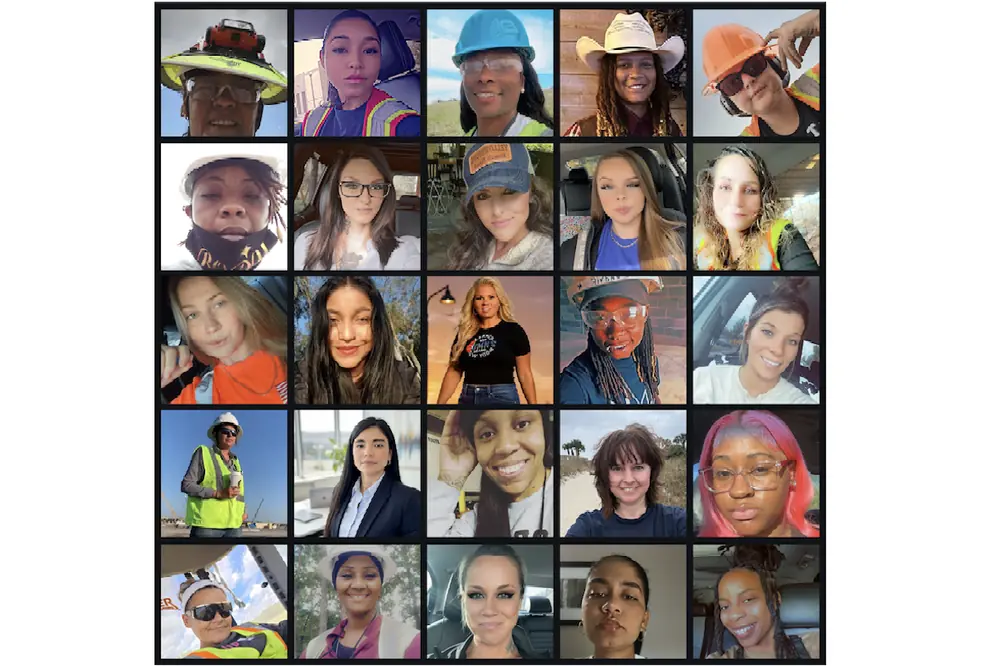
At Skillit, we work with thousands of craft workers across construction, and our data confirms what many in the industry already know. To date, women make up just 3.4 percent of the skilled trades workforce, which is a serious representation problem. However, the ones who are in the field earn nearly the same as their male counterparts. Fairness and transparency are baked into the workflows and output of the work.

| Your local Komatsu America Corp dealer |
|---|
| Continental Equipment Corp (CEC) |
Compare that to knowledge work, where pay and advancement are measured through perception. Meetings, presentations, visibility, performance reviews — these processes and structures are susceptible to bias. Who gets credit? Who speaks up? Who’s in the room? These questions create gaps that compound over time. The work itself is abstract, so evaluating it requires judgment calls that can easily tilt in favor of people who already hold built-in advantages.
Physical work doesn’t eliminate all barriers, but it does eliminate some of the most insidious ones. When the job is to frame a wall, install HVAC ductwork, or run conduit, there’s no ambiguity about whether the work got done. Performance is visible in real time, not six months later during a review cycle. Advancement is more merit-based because merit is easier to see.
This isn’t to say the trades are perfect. Women remain severely underrepresented, and there are real barriers to entry, from outdated perceptions about who belongs in these roles to a lack of accessible training pipelines. However, the wage gap itself is smaller because the work doesn’t leave room for subjective evaluation.
What does this mean for the broader conversation about equity? It means we need to expand the definition of opportunity. For workers navigating a labor market where subjective evaluation and visibility-driven advancement are baked into so many pathways, the trades represent something refreshingly different.

| Your local Deere & Co dealer |
|---|
| AIS Construction Equipment |
Although this doesn’t solve the representation problem, it does point to where the real opportunity lies. Instead of only focusing on getting more women into corporate roles where the rules are stacked against them, we should also be focused on getting more women into skilled trades roles where the transparency of the work creates a more level playing field from day one.
The skilled trades need more women. The industry knows it, workforce development programs know it, and the data makes it clear. Women also need the trades, because it’s one of the few sectors of the economy where you can show up, do the work, and get paid fairly for it without having to navigate a maze of perception management and office politics.
For contractors struggling to attract more women into the trades, this smaller pay gap isn’t just an academic point but is, in fact, a recruiting advantage hiding in plain sight.
In a labor market where women have decades of experience navigating unequal pay, opaque advancement, and subjective evaluation, the trades offer something materially different: clear expectations, visible output, and pay that closely tracks performance. That’s not just a promise — it’s already reflected in the data.

| Your local Trimble Construction Division dealer |
|---|
| SITECH Michigan |
Contractors who can articulate this reality have an opportunity to reframe how they recruit. Instead of positioning the trades as a “fallback” to office work, they can position them as a more transparent, fair, and economically rational career path. For many women, especially those weighing long-term stability and earning power, that clarity matters more than perks or slogans.
Pay equity isn’t just a moral argument; it’s also a practical one. Contractors who recognize that will have an edge as competition for skilled labor intensifies.
Closing the gender pay gap in knowledge work will require systemic change. It requires more transparency in pay structures, better evaluation criteria, and stronger accountability. The skilled trades aren’t a silver bullet, but they are proof of concept. When work is transparent and output is measurable, the ability to discriminate loses its grip.
That’s not just a story about construction. It’s a blueprint for what true pay equity can look like when we build it into the structure of work itself.
| Your local Komatsu America Corp dealer |
|---|
| Continental Equipment Corp (CEC) |
Fraser Patterson is CEO of Skillit.