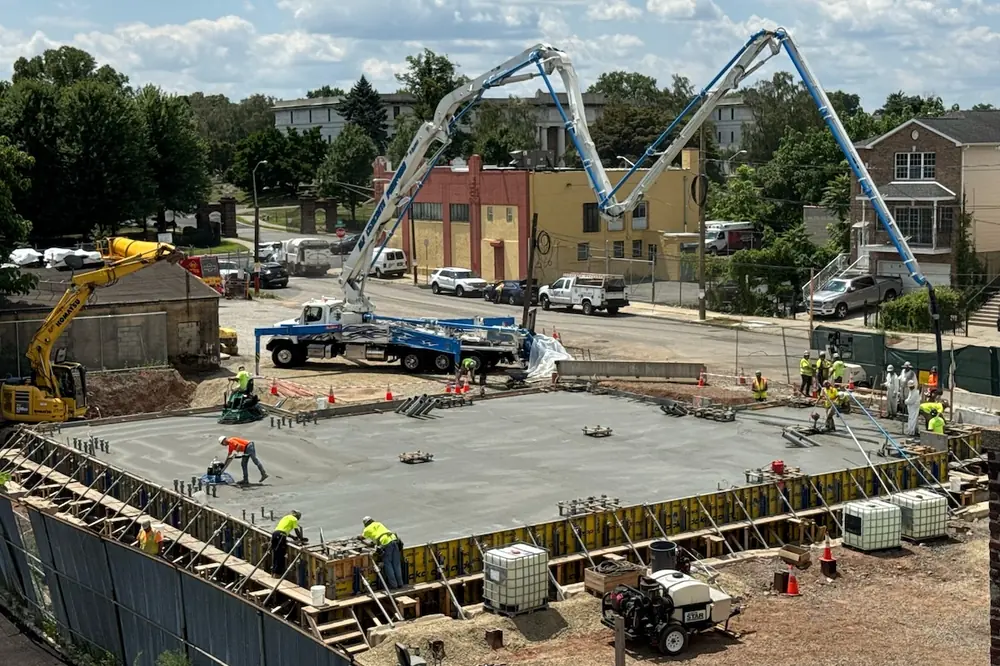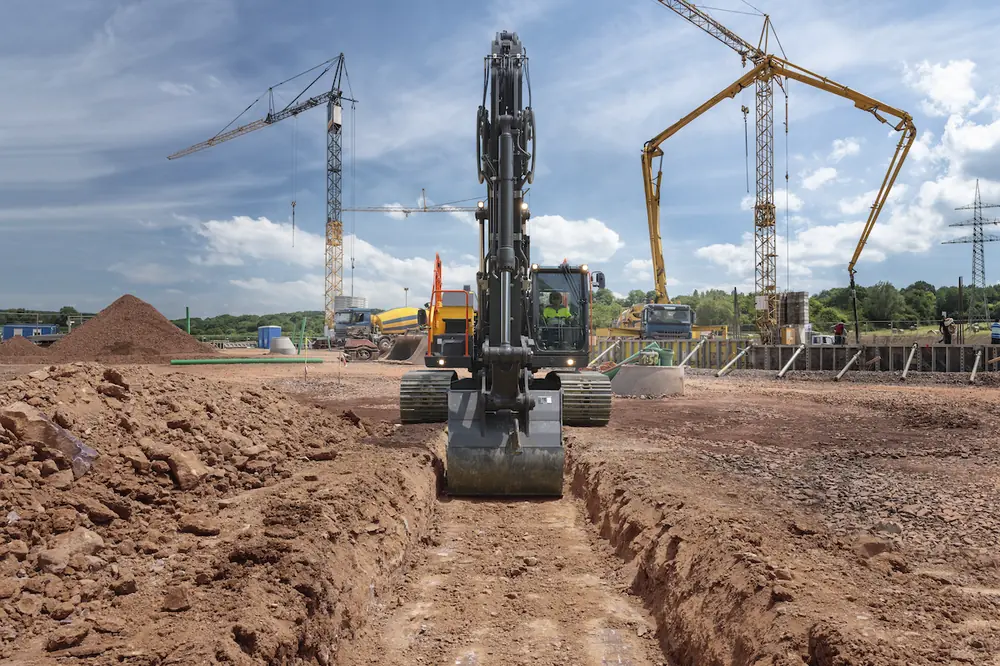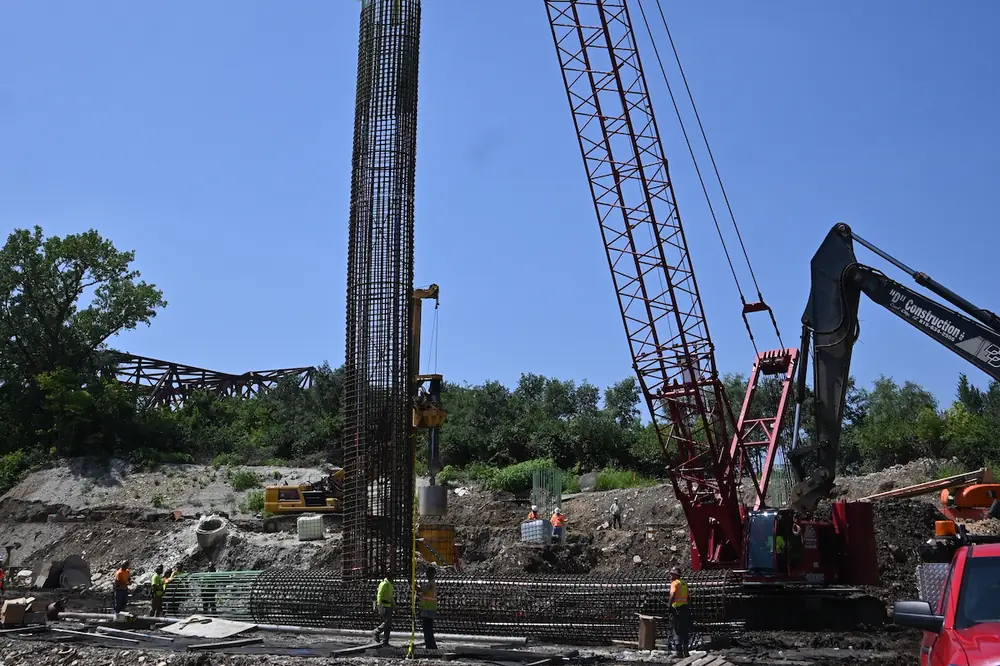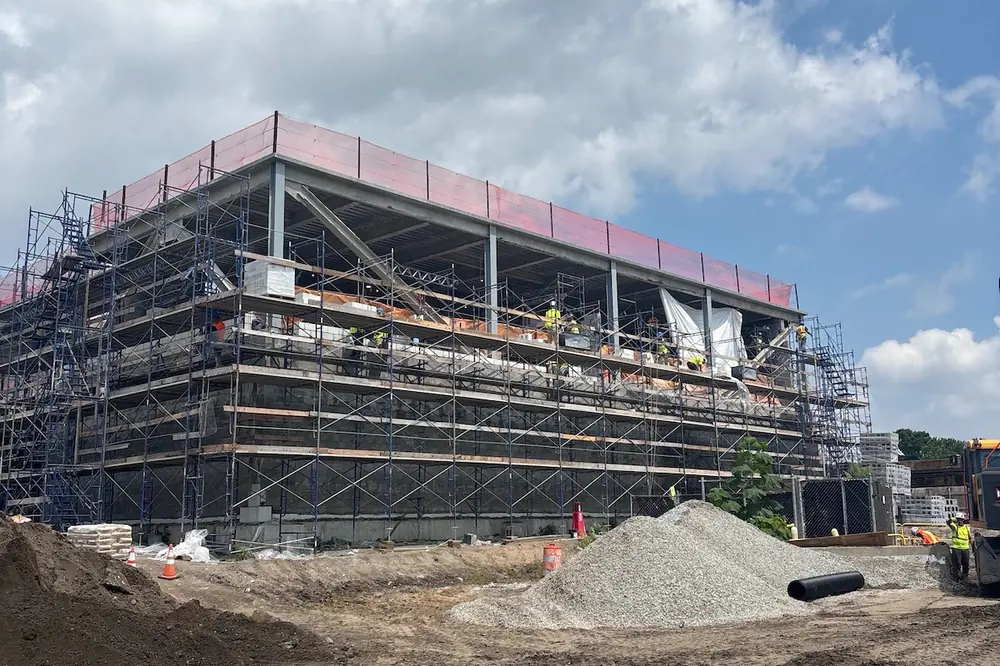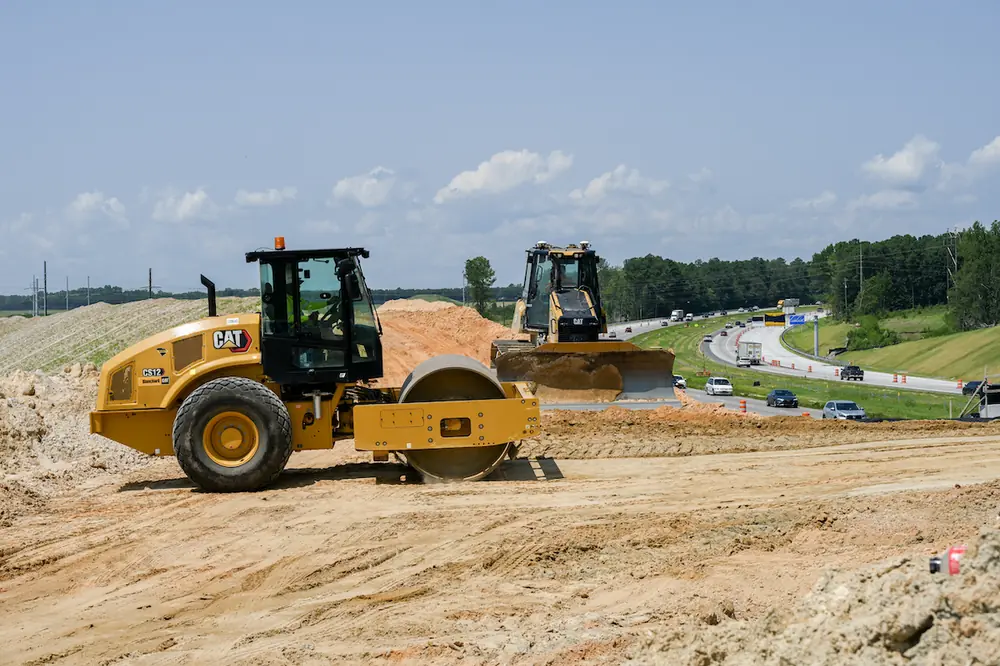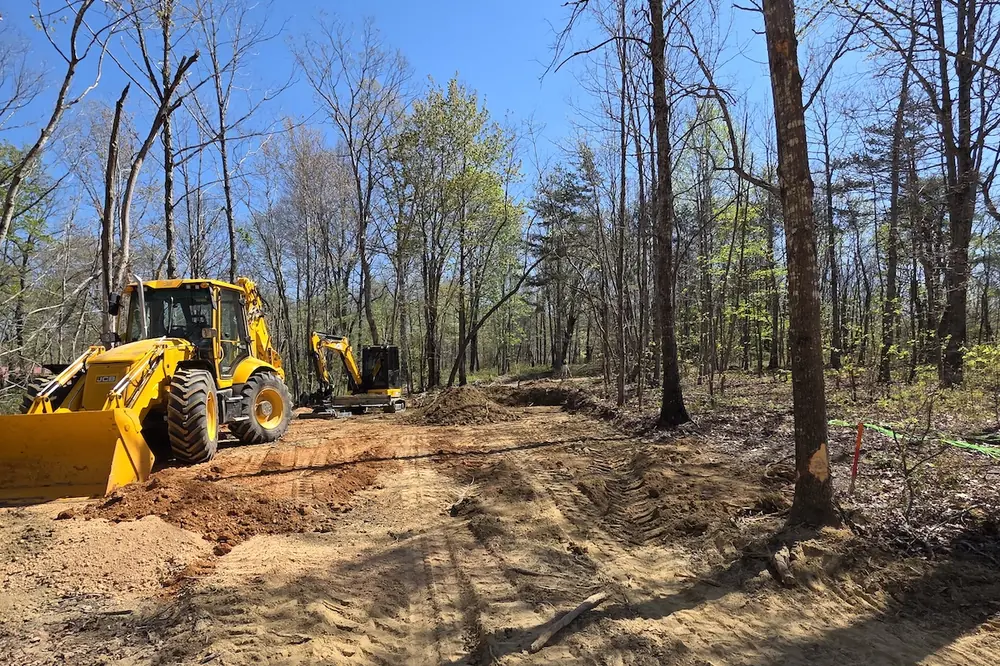


Dust accumulates quickly at construction sites, creating environmental, operational, and air-quality concerns.
One of the primary benefits of street sweeping in these environments is reducing pollution. Effective sweeping removes debris, trash, and pollutants from road surfaces before they can enter storm drains and contaminate waterways. Street sweepers also catch particulate matter that could get into the air.
By minimizing dust stirred up by traffic and equipment, sweeping helps protect air quality, improves job site visibility, and helps support regulatory compliance. Below, experts from Elgin offer tips for effective street sweeping.
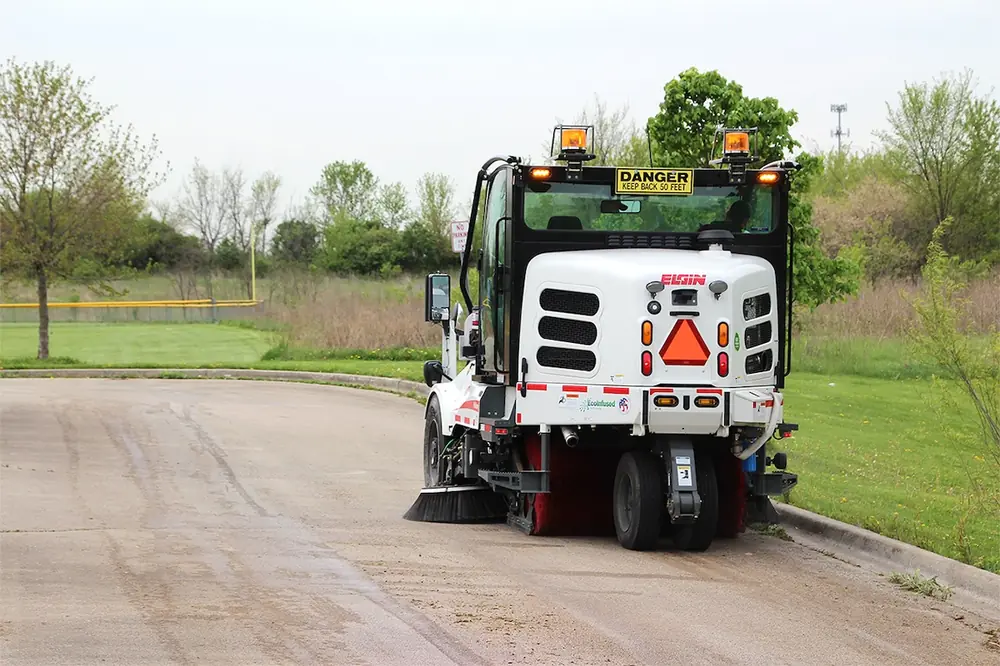
To select the most effective sweeper, it’s important to understand the different types of equipment and the dust control systems they use:
- Mechanical broom sweepers use rotating brushes to lift and move debris onto a conveyor and into a hopper or debris body with water and spray nozzles for dust control.
- Regenerative air sweepers use a closed-loop system that blasts high-velocity air to help control dust with water and spray nozzles for dust control.
- Vacuum sweepers rely on high-power suction to pull debris directly from the surface into the hopper, making them well-suited for fine particle matter. Side brooms assist by sweeping debris into the air flow and are equipped with water and spray nozzles for dust control.
- Waterless sweepers use mechanical sweeping systems to sweep and collect debris and utilize shrouded brooms, dust skirts, and filtration systems to control dust without spraying water.
Dust can be controlled with both water-based and waterless systems. Waterless dust control systems are especially versatile for construction sites. However, it’s important to evaluate site conditions, type of debris, and environmental requirements in order to determine the most effective dust control approach.

| Your local Broce Broom dealer |
|---|
| Nueces Power Equipment |
Pay attention to climate conditions. For example, mechanical broom sweepers are most effective in high-rainfall areas because they can handle heavy debris and operate in standing water. In dry climates, dust and debris build up rapidly. Using sweepers equipped with water spray systems, such as air or mechanical broom sweepers, helps suppress dust while operating.
Factor in material type as well. Cement and clay often work better with a waterless sweeper. In cold climates, consider sweepers designed to remove sand, dirt, and salt left behind after snow melt.
Consistent preventative sweeping across any condition helps reduce long-term maintenance issues and environmental impacts.