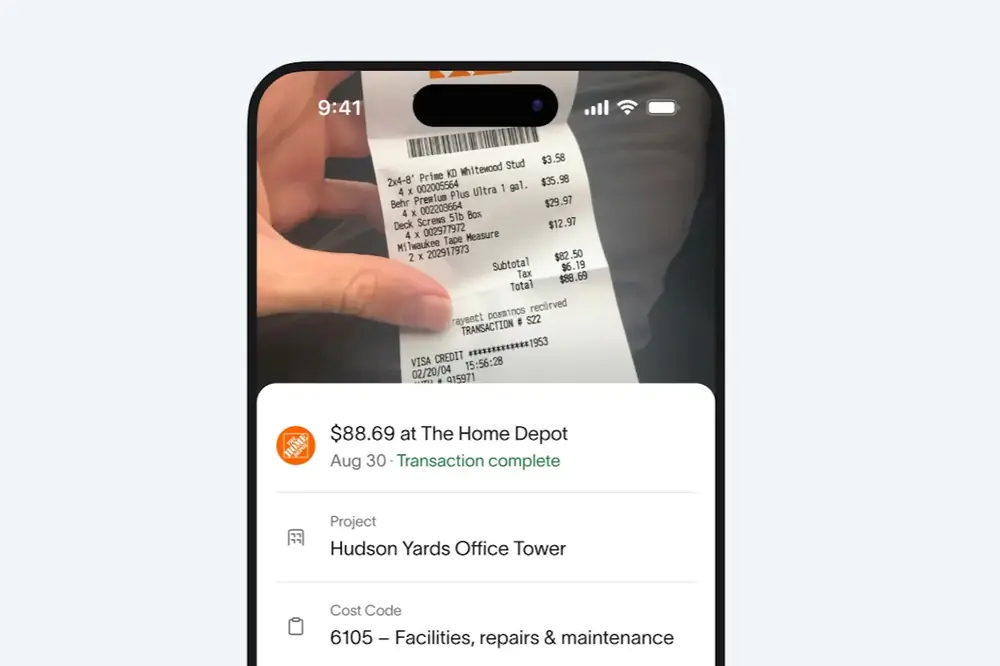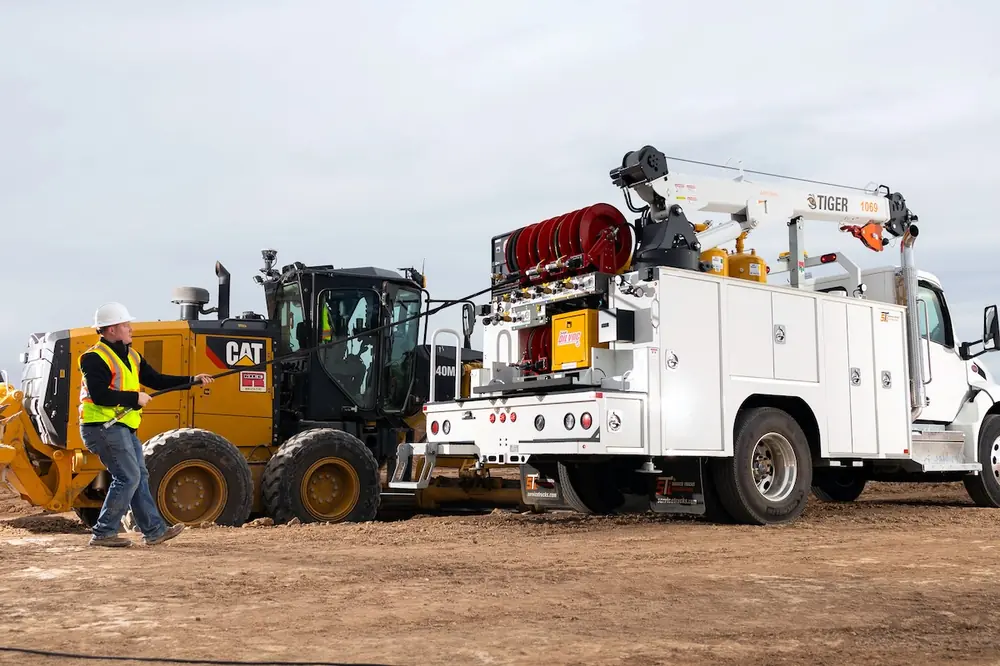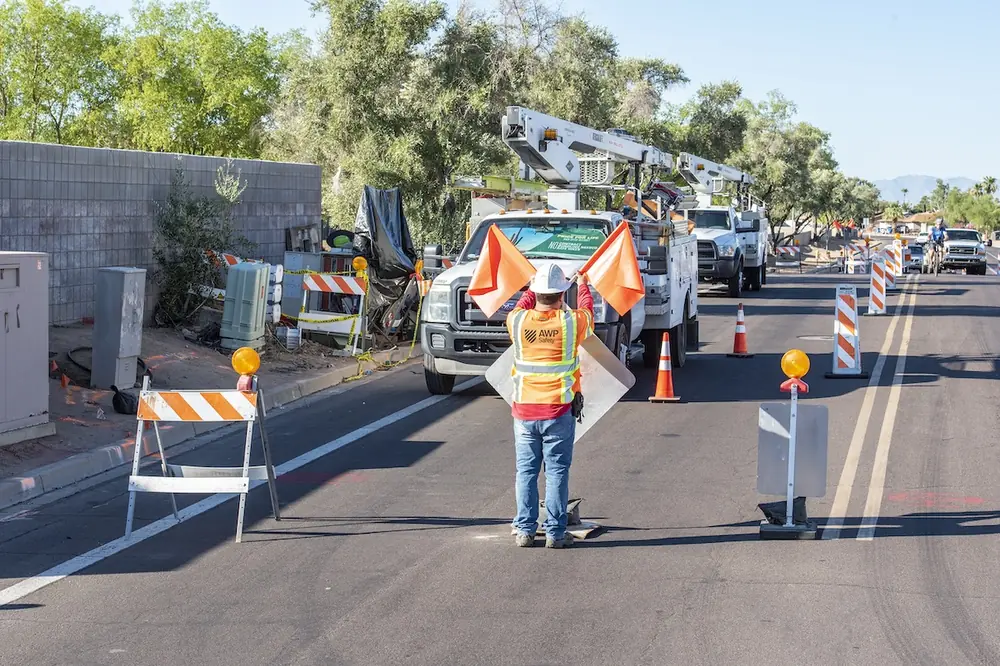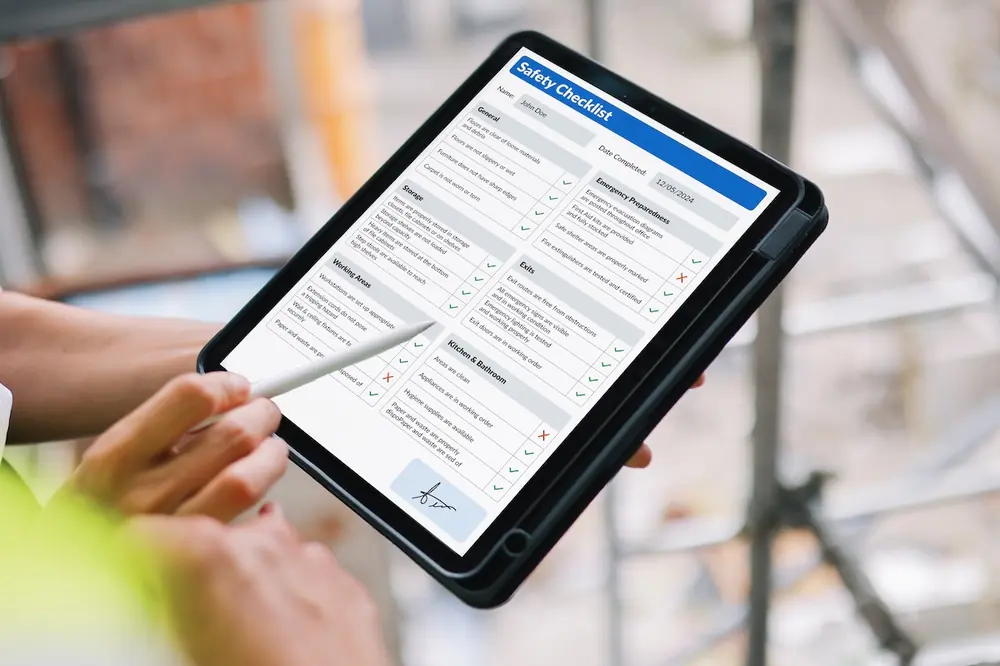
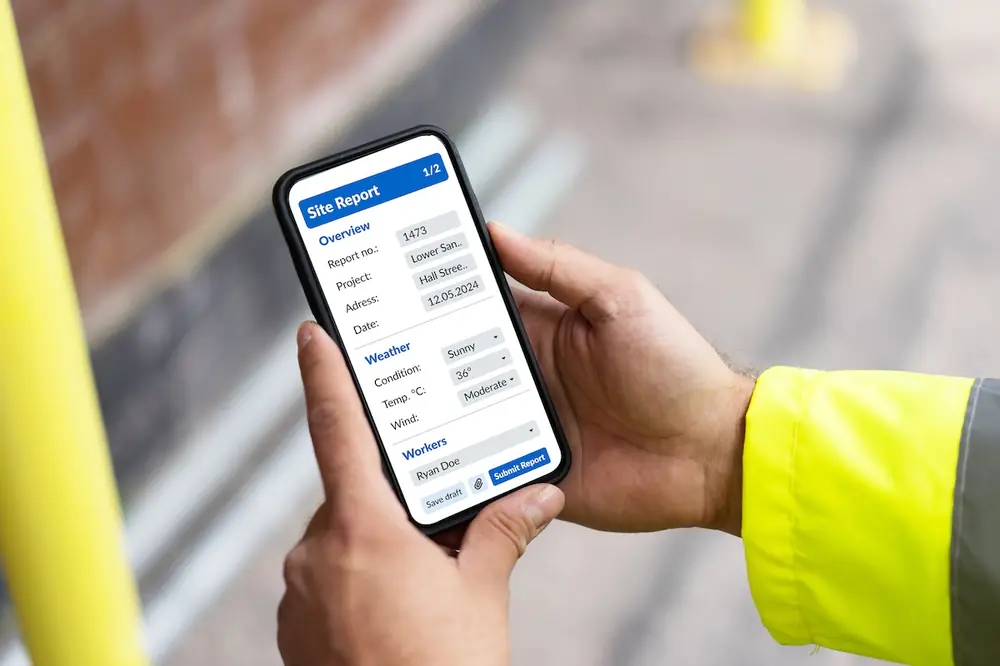


Mobile inspections, field reports, issue tracking, and progress photos are ubiquitous on job sites today. The shift to digital documentation matters because the job site runs on information, and information needs to move faster than the work. But on many projects, information is still scattered across disconnected systems, formats, and versions of the truth.
This is the backdrop for the current conversation about artificial intelligence in construction, with many teams asking what AI could do on the job site. An even quieter question sits underneath it: Do we have job site information that AI can reliably learn from and act on?
Despite digital tools now being more available than ever, three practical issues keep showing up:
- Data fragmentation — A checklist might live in one app, photos in another, issues in a spreadsheet, and approvals in email threads.
- Inconsistent documentation — Documentation varies by person and by day, leaving gaps that hinder coordination.
- Information outpacing capacity — Project data is growing faster than teams can organize or trust it. The result is more time spent on nonproductive work, with some sources saying an average of 30 percent of work hours go to rework, conflict resolution, and searching for project information.
This challenge shows up in broader productivity discussions, too. Consulting firm McKinsey & Company has long pointed to construction’s stubborn productivity gap. One reason it persists is that information still moves unevenly across teams and tools, even on well-run projects. If a project has multiple versions of the truth, AI cannot reconcile them; it will work with whatever it is fed, including gaps, duplicates, and outdated records.
In this way, discipline is key: A digital tool is only as effective as the data and inputs provided by the team. Without consistent use, even the most advanced technology delivers limited value.

| Your local Hitachi dealer |
|---|
| CLM Equipment Co |
Job sites are capturing more information than ever. Many teams use mobile apps for checklists, field observations, issue tracking, and photo documentation. The challenge is that volume is not the same as value.
When teams record information differently, it becomes hard to compare, search, or trust. Over time, teams spend energy cleaning up data instead of using it. This is the point where fragmentation stops being an inconvenience and becomes a barrier.
What is usually missing is not another tool, but a familiar set of basics:
- Standard ways of recording the same type of event
- Documentation processes that hold up under time pressure
- One agreed-upon record everyone uses for site issues, evidence, and close-out
When teams are thin, the job site cannot afford processes that only work on calm days. The more repeatable a workflow is, the more likely it is to be followed across crews, trades, and shifts.

| Your local Yanmar dealer |
|---|
| WPI |
| CLM Equipment Co |
AI is already appearing in practical construction use cases, particularly where information is repetitive and time sensitive. For example, AI can help:
- Summarize daily notes into clear handover points
- Group similar defects and issues across a project
- Highlight recurring safety observations by area or trade
- Flag items that are overdue or missing evidence
- Identify patterns in photos when images are consistently tagged to locations
Used well, these capabilities can help teams spot risks earlier and prioritize what needs attention. But the dependency is simple: AI is only as useful as the quality and consistency of the information behind it.
On a job site, “structured data” does not mean turning the field into an office. It means capturing a few basics in the same way each time, such as:
- What the issue is (using shared categories)
- Where it is (zone, level, room, or pinned to drawings)
- Who owns the next step
- What “closed” means (photo evidence, sign-off, or checklist result)
When those basics are captured consistently, AI has something stable to work with. When they are missing or inconsistent, AI has to guess. Guessing is where trust breaks down, especially for decisions that touch schedule, cost, and safety.
| Your local Hitachi dealer |
|---|
| ASCO Equipment |
AI-ready job sites are not defined by adding more tools, but by applying digital workflows consistently across the site.
High-performing projects tend to make a few decisions early and stick to them:
- One agreed-upon process for logging, assigning, and closing issues
- One shared set of current drawings and documents
- Clear naming and tagging rules so information can be found later
- A short list of required fields so teams are not faced with long forms
- A clear close-out standard so “done” means the same thing to everyone
None of these are flashy —that is the point. The more complicated a process is, the more likely it is to break when the schedule tightens. A structured, repeatable workflow helps busy teams keep good habits and reduces office clean-up later.
This is where digital platforms can be useful in day-to-day practice. When issues are logged onsite, pinned to a clear location, supported with photos and notes, and closed with an agreed-upon standard of proof in the same system, teams spend less time reconciling versions and more time resolving work. Just as importantly, they create a consistent record that is easier to search, analyze, and learn from later.

| Your local Hitachi dealer |
|---|
| CLM Equipment Co |
Job sites can be less chaotic when there are fewer avoidable surprises and less time wasted on chasing information. AI can support that outcome, but only when it is built on structured, reliable site data captured the same way at the source.
Digital platforms help establish consistent documentation through repeatable, mobile-first workflows. Most importantly, teams that standardize how issues, evidence, and close-out are documented today will be best positioned to benefit from AI tomorrow.
David Homola brings international expertise in construction, civil engineering, and real estate to his role as U.S. Vice President for PlanRadar, a platform for field management in construction, facility management, and real estate projects.