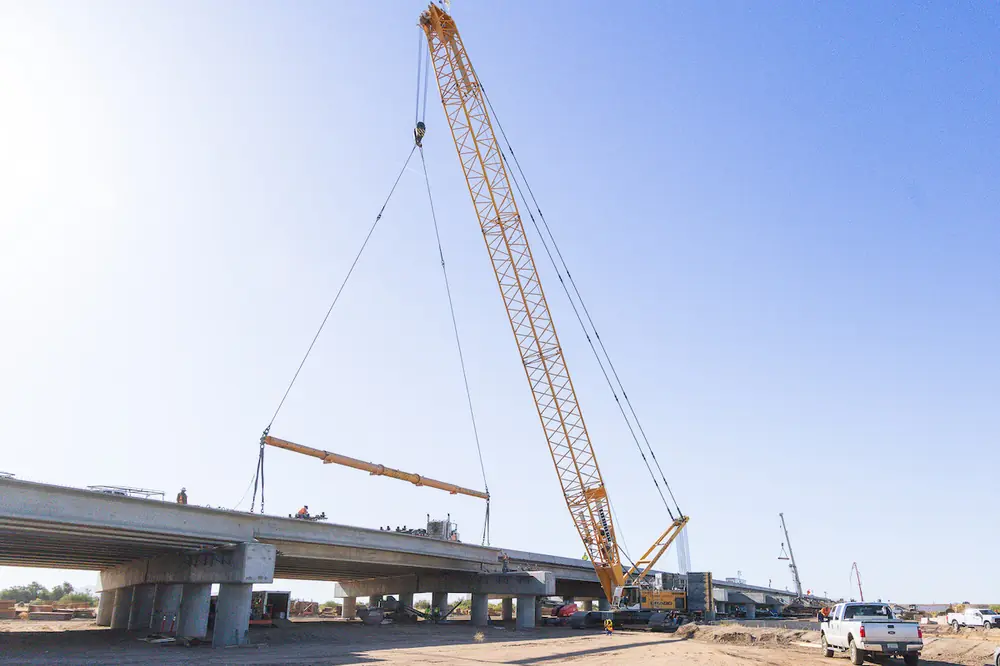
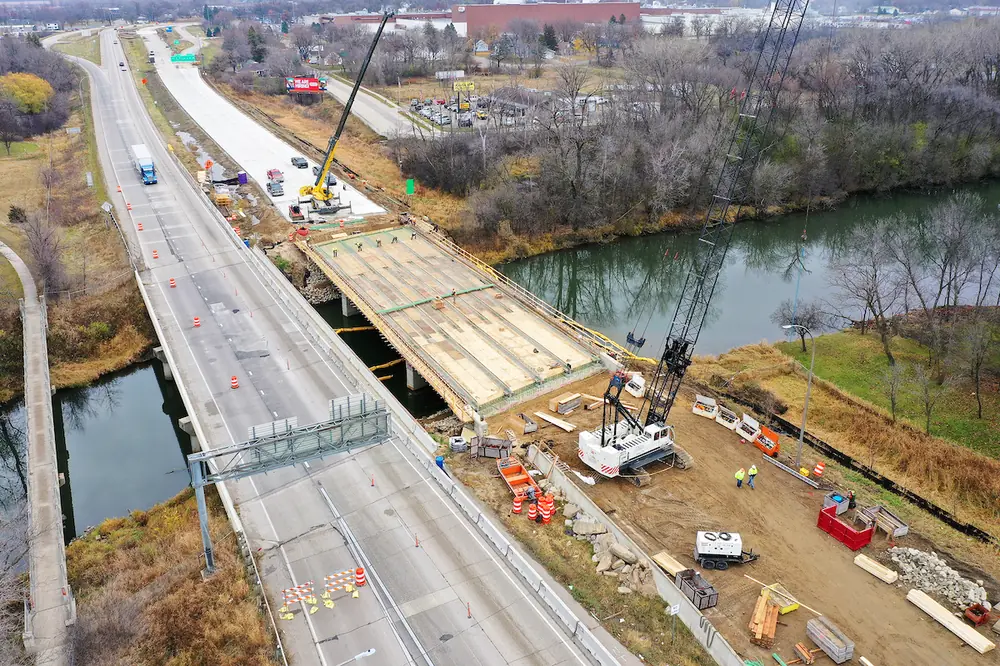
In the construction industry, the visible risks are clear: heavy machinery, towering heights, and the ever-present possibility of physical injury. Yet beneath the surface lies an equally critical and often overlooked danger.
Mental health struggles affect thousands of workers daily. Workers in construction face a unique set of challenges, including the high-pressure nature of the job, isolation from families, and the physical toll of injuries and chronic pain. These factors often lead to anxiety, depression, and even substance abuse, which are exacerbated by the industry’s reluctance to openly address mental health issues.
In a field dominated by a “tough it out” mentality, many workers hesitate to seek help, fearing judgment or job repercussions. This culture discourages open conversations about mental health, leaving workers vulnerable to its hidden dangers.
Despite the prevalence of mental health issues, many workers and employers remain unaware of the signs of mental distress or available resources.
Common indicators include changes in behavior, such as withdrawal from colleagues, increased irritability, or a drop in productivity. Physical symptoms like fatigue, frequent headaches, or unexplained aches can also signal mental health struggles. Recognizing these signs is the first step toward meaningful intervention.

| Your local Takeuchi Mfg Ltd dealer |
|---|
| Kirby-Smith Machinery |
| Nueces Power Equipment |
Workers avoid discussing mental health for various reasons, including:
- Shame and stigma
- Fear of judgment by peers
- Fear of negative consequences
- Lack of knowledge about accessing care
This silence perpetuates the stigma and prevents meaningful action.
Employers hold the key to changing the narrative around mental health in construction. By promoting a supportive environment, they can dismantle stigma and encourage help-seeking behaviors. Here are actionable steps employers can take:
Foster Open Dialogue
- Host toolbox talks and workshops to openly address mental health. Discussions might include interactive role-playing sessions, expert guest speakers, or peer-led discussions to encourage active participation and engagement.
- Share relatable, anonymized stories of overcoming mental health challenges.
- Establish leadership initiatives that prioritize wellness conversations. Provide Accessible Resources
- Offer Employee Assistance Programs (EAPs) that include counseling and mental health support.
- Extend mental health services to subcontractors and temporary workers.
- Share information on crisis hotlines, community resources, and telehealth options. Create Supportive Work Environments
- Promote work-life balance through manageable schedules and rest periods.
- Introduce wellness programs, such as mindfulness sessions or ergonomic evaluations.
- Recognize the value of mental health by integrating it into overall safety protocols. Partner with Experts
- Collaborate with organizations like the Construction Industry Alliance for Suicide Prevention (CIASP).
- Advocate for mental health policy reforms at industry conferences and panels.
- Stay connected — Engage with peers and family to foster a strong support network.
- Prioritize self-care — Regular exercise, balanced nutrition, and sufficient sleep can bolster mental well-being.
- Seek help — Consulting with trusted colleagues or professional counselors is an empowering step toward recovery.
- 988 Suicide and Crisis Lifeline — Dial 988 or visit 988lifeline.org
- Crisis Text Line — Text HOME to 741741

| Your local Wirtgen America dealer |
|---|
| Kirby-Smith Machinery |
| Nueces Power Equipment |
While employers play a crucial role, individual workers can take steps to prioritize their own mental health:
If you or someone you know is struggling, confidential help is available 24/7:
To address mental health comprehensively, the construction industry must adopt systemic changes. Advocacy organizations like CIASP and the National Alliance on Mental Illness are driving awareness and providing resources. Contractors, unions, and associations must rally behind these efforts to create a culture of care and resilience.
Addressing mental health in construction is not just a moral imperative — it’s a business necessity. Happier, healthier workers lead to safer, more productive job sites.

| Your local Bomag Americas dealer |
|---|
| WPI |
Breaking the silence requires everyone’s participation. For executives, this means funding mental health programs and setting an example by discussing it openly. Managers can encourage inclusion by ensuring that check-ins and training sessions address mental health explicitly. Workers can support one another by staying alert for signs of distress and promoting empathy on the job site. It’s about creating workplaces where mental health is treated with the same seriousness as physical safety.